
The Most Discreet Hearing Aids Available in 2026
For a lot of people, the hesitation around hearing aids has less to do

By: admin | August 21, 2025
If you love spending time outdoors, you probably focus on the obvious safety concerns like sun protection, proper gear and staying hydrated. But your hearing faces risks during outdoor activities that you might not even think about until problems develop. Whether you’re mountain biking on trails with wind rushing past your ears, kayaking near motorboats or camping where you’re exposed to everything from crackling fires to generator noise, outdoor environments can be surprisingly hard on your hearing. If you wear hearing aids, outdoor adventures bring additional challenges with sweat, humidity, dust and unexpected weather that can damage expensive devices.
The good news is that you don’t need to choose between enjoying outdoor activities and protecting your hearing health. Most outdoor enthusiasts want to stay active and keep doing what they love, which means finding practical ways to address hearing risks without giving up adventures or feeling restricted. With some basic awareness about what can affect your hearing during outdoor activities, you can take simple steps to minimize potential damage while still fully participating in hiking, camping, water sports or whatever outdoor pursuits you enjoy most.
Your ears play a key role in keeping you aware of your surroundings when you are outside. Sounds like approaching bikes, wildlife or changing weather conditions provide important information about what is happening nearby. If you have hearing loss or use hearing devices, missing these cues can affect both your safety and enjoyment.
When your hearing is well-supported and protected, you are more likely to notice important details and respond quickly to changes around you. This helps make outdoor activities safer and more enjoyable for everyone.
Outdoor environments often bring a mix of background noise and changing conditions that can make hearing more difficult. Busy parks, windy beaches and crowded festivals create sound environments where conversations and important signals are harder to pick out.
Water activities present their own set of difficulties, as splashing or waves can block out voices or warning sounds. Temperature changes may also impact the performance of hearing devices, especially if they become too hot or damp.
Being aware of these different outdoor environments helps you plan ahead for better hearing and a safer, more enjoyable time outside.
Loud outdoor sounds like fireworks, concerts or lawn equipment can be harmful to your ears. These noises may seem routine but can cause lasting changes in how well you hear. Prolonged exposure to loud sounds can damage the tiny hair cells inside your ear, making it harder to hear soft sounds and understand speech. Even a single loud event can have lasting effects.
Wearing ear protection at loud events or moving away from noisy areas can help reduce the devices function. Sudden noise can cause stress and make it harder to enjoy outdoor activities.
Wind and weather conditions can have a noticeable effect on how well you hear outdoors. Strong winds often create extra noise that makes it difficult to follow conversations or notice important sounds. For those using hearing devices, wind can cause whistling or static, which can be distracting.
Rain and humidity may allow moisture to get inside hearing devices, sometimes causing them to work less effectively. Cold temperatures can lower battery life or make devices feel uncomfortable against your skin. Paying attention to weather conditions allows you to take simple steps, like using wind covers or drying kits, to keep your hearing experience clear.
Even without hearing devices, weather changes can impact how you hear naturally. Wind may carry sounds away or mix them together, making it harder to tell where noises are coming from. Staying aware of these effects helps you adjust your plans and enjoy outdoor activities with greater confidence.
Recognizing signs of hearing strain while you’re outdoors is an important step in taking care of your hearing health. You might start noticing that you frequently ask people to repeat what they said or that following conversations in busy or noisy environments takes more effort than before. This extra concentration can be tiring and might leave you feeling drained after social gatherings or outdoor activities. Paying attention to these early signs helps you address challenges before they become more serious.
Straining to hear does not just affect your ears but can impact your overall experience when you’re out and about. You might develop headaches from the extra mental effort, feel frustrated when you miss parts of conversations or find yourself withdrawing from group activities to avoid the stress. Over time, this can reduce how much you enjoy outdoor events and make socializing feel less comfortable.
Water exposure from activities like swimming, showering or participating in water sports can sometimes result in moisture getting trapped inside your ears. This trapped moisture creates a warm, damp environment that can encourage the growth of bacteria and fungi. When these microorganisms multiply, they increase the risk of developing ear infections, which can cause discomfort, pain and sometimes temporary hearing difficulties. Being aware of this risk is important for maintaining healthy ears, especially if you are regularly exposed to water.
For people who use hearing devices, water exposure poses an additional concern. Moisture can seep into the sensitive electronic components of hearing devices and cause damage, potentially leading to malfunctions or complete failure. Protecting your hearing devices from water is essential to ensure they continue working properly. Simple measures like drying your ears thoroughly after water activities and using protective covers designed for hearing devices can greatly reduce the risk of water-related problems.
Temperature changes impact both your ears and hearing devices in ways that are important to understand. When the weather is very hot or very cold, your ears may feel uncomfortable due to changes in blood flow or sensitivity. Cold temperatures can cause ears to feel numb or achy, while hot weather might lead to sweating that affects comfort. These physical changes can sometimes make hearing more challenging, especially when combined with outdoor noise or other distractions.
Hearing devices are also sensitive to temperature extremes. Cold weather can cause batteries to drain faster than usual, leaving you without sound support when you need it most. In hot conditions, the materials inside hearing devices can expand or warp, which may lead to malfunctions or reduced performance. Being aware of how temperature affects both your ears and your hearing devices allows you to prepare better. For example, you might carry extra batteries during cold weather or keep your devices protected from direct sunlight on hot days.
Protecting your ears from sudden loud noises outdoors is essential for maintaining your hearing health. Sounds like fireworks, sirens or construction noise can happen without warning and reach levels that quickly strain or damage your ears. These unexpected bursts of noise can cause immediate discomfort and contribute to long-term hearing challenges if you’re not careful.
Simple actions can make a big difference in keeping your ears safe during outdoor activities. Consider these steps to reduce noise exposure:
Choosing the right ear protection depends on the activity and noise levels you expect to face. Different outdoor activities require specific solutions for the best results. For example, shooting sports demand high-quality earmuffs that block intense gunfire noise, while concerts may call for earplugs that reduce volume without distorting music. Swimming requires waterproof earplugs to prevent water from entering the ear canal, which is a different kind of protection altogether.
Selecting ear protection that fits well and matches your comfort preferences encourages consistent use, which is key to protecting your hearing. When your ear protection suits both your activity and needs, you can fully enjoy your time outdoors without worrying about potential damage to your hearing.
Caring for your hearing devices after spending time outdoors is important to keep them functioning well and extend their lifespan. Outdoor environments can expose your devices to moisture, dirt, dust and temperature changes, all of which may affect their performance if not properly addressed. Taking a few simple steps after being outside helps protect your devices from damage and ensures you continue to hear clearly.
After outdoor activities, start by gently wiping your hearing aids with a soft, dry cloth to remove any sweat, dirt or debris that may have collected. Avoid using water or cleaning solutions directly on the devices unless specified by the manufacturer. It’s also a good idea to check the microphone and receiver openings for any buildup that could block sound. Keeping these parts clean supports optimal sound quality.
Storing your devices properly when you’re not wearing them is another key part of care. Use a protective case to keep your hearing aids safe from accidental drops or exposure to dust. If your devices are rechargeable, make sure to place them in their charger after cleaning. For those using disposable batteries, remove the battery if you won’t be using the device for a long time to prevent corrosion.
Here are some helpful tips to care for your hearing devices after outdoor use:
Spending time outdoors is a rewarding way to stay active and enjoy nature, but it’s important to remember that your hearing needs care too. Recognizing the less obvious risks your ears face during activities like biking, kayaking or camping helps you stay ahead of potential problems. Whether it’s protecting your ears from sudden loud noises or shielding your hearing devices from moisture and dust, small precautions can make a big difference. Staying informed and prepared lets you focus on the experience without worrying about damage to your hearing or your devices.
If you want to learn more about protecting your hearing during outdoor activities or need advice on caring for your hearing aids, you can reach out anytime. Contact Modern Acoustics in Richfield, MN at (612) 254-1893 to connect with professionals who understand how to keep your hearing sharp and your devices working well no matter where your adventures take you.
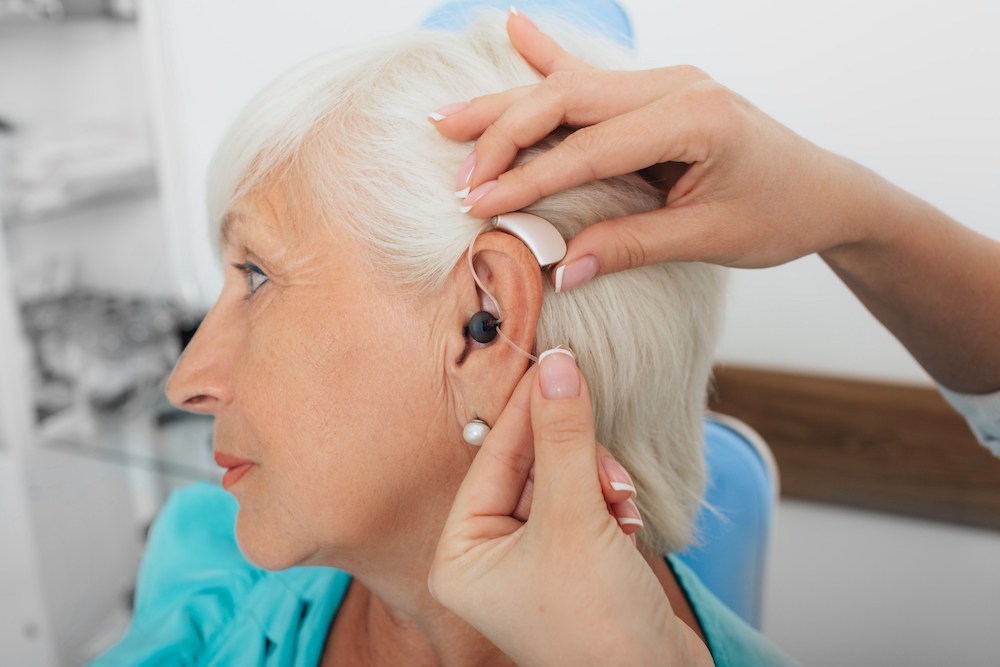
For a lot of people, the hesitation around hearing aids has less to do
By: admin | April 22, 2026

Winter travel is a lot of fun, but the cold weather does require a little
By: admin | February 20, 2026

You probably don’t think much about how weather affects your hearing
By: admin | December 21, 2025
Patient Testimonials

Schedule your appointment today and take the first step toward better hearing!