For a lot of people, the hesitation around hearing aids has less to do with the technology and more to do with how they look wearing it. That’s not vanity, it’s just human.

Nobody wants to feel like their hearing loss is the first thing someone notices about them, and for years, that concern was enough to keep people from getting help they actually needed.

The good news is that hearing aid design has quietly gotten to a point where that conversation looks a lot different than it used to.

What’s available in 2026 is genuinely small. For people who are active, social and not interested in making their hearing aids a talking point, the current technology market might genuinely surprise you.

How Discreet Hearing Aids Boost Confidence

Choosing to address hearing loss is personal and should feel comfortable for you. It’s natural to want your hearing support to stay private while you get back to everyday conversations without feeling like you stand out.

When a device sits out of sight, it lets you put all your energy into the person across from you. You can relax into the rhythm of a conversation and stop worrying about whether someone is noticing your ear.

Tiny designs fit right into your life so you can go about your day without a second thought. You should be able to catch a quick comment or a joke in a busy hallway and just react in the moment.

Picking a style that hides away gives you the freedom to engage with everyone around you on your own terms. It keeps the attention on what you have to say, which is exactly how it should be.

Common Small Hearing Aid Styles

Finding the right fit depends on how you want the device to sit and how much of it you want others to see.

Modern designs are so small that they can handle loud environments while remaining almost impossible to spot. Most people find that these options are more comfortable than they expected since they are designed to match the natural curves of your ear.

There are three main styles you will likely see when looking for something inconspicuous:

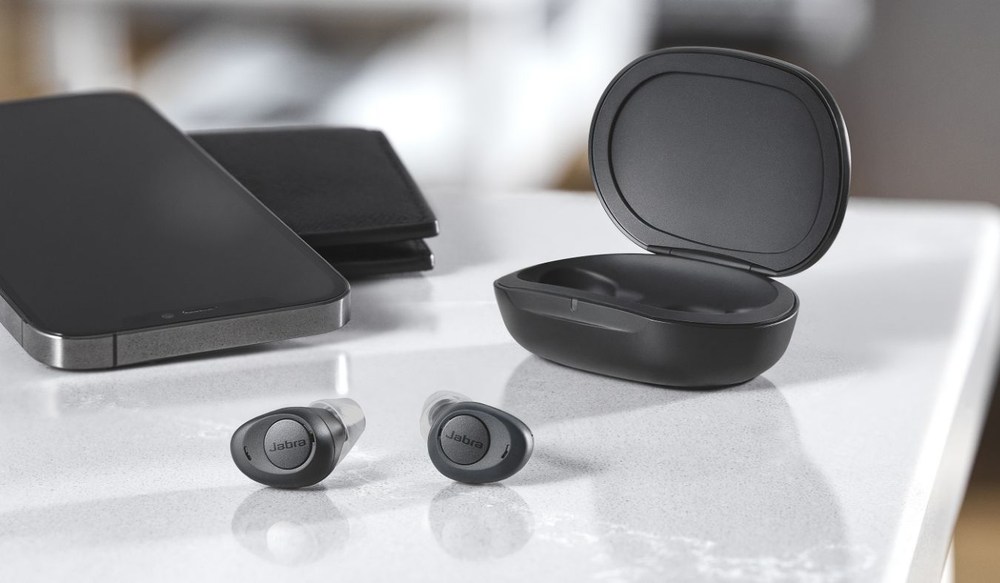
  • Invisible in canal (IIC): These sit deep inside the ear canal and are usually only visible if someone looks directly into your ear with a light.
  • Completely in canal (CIC): These fit in the canal but often have a tiny pull string to help you take them out.
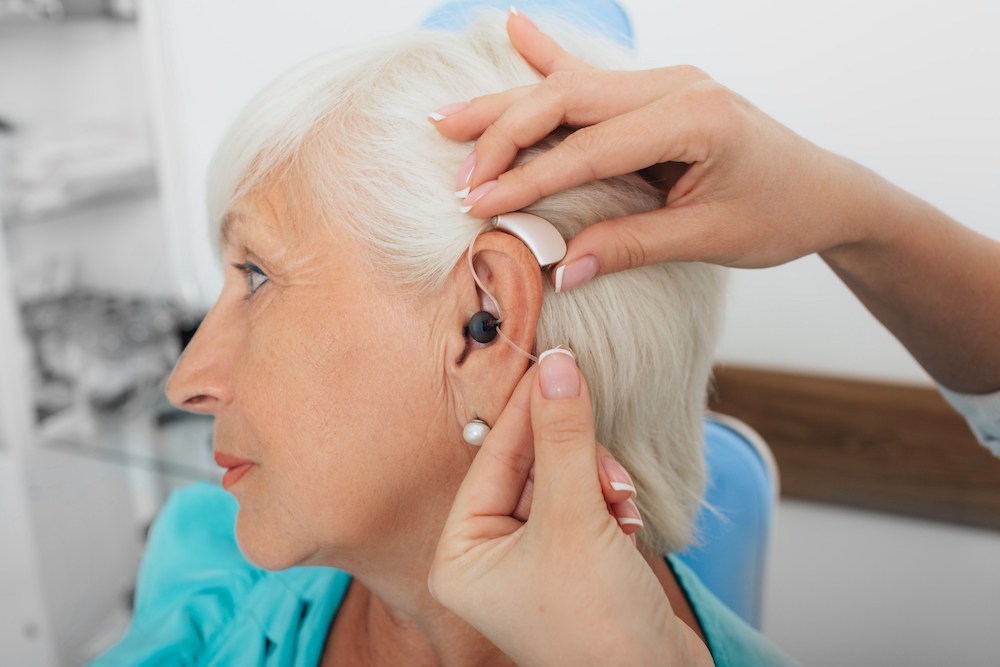
  • Receiver in canal (RIC): This style has a small case tucked behind the top of your ear, connected to a speaker inside the ear by a wire as thin as a piece of hair.

How Modern Technology Keeps Hearing Aids Small and Capable

Hearing aids have become smaller because the technology inside them has changed. Modern microchips and processors can fit into very small spaces while still delivering clear sound, noise reduction and automatic adjustments.

Smaller, energy-efficient parts also help keep the overall size down without giving up performance.

Wireless features like Bluetooth are now built into many devices, making it easy to connect to phones and TVs. Even though these features require extra components, improved design allows everything to fit into compact devices without adding bulk.

Materials can also influence size and feel. Options like titanium, lightweight plastics and silicone make hearing aids thinner, lighter and more comfortable to wear. Together, these advancements allow today’s devices to stay small while still handling the demands of daily use.

Managing Power and Maintenance for Small Devices

Keeping your hearing aids running smoothly is mostly about finding a routine that fits your lifestyle. Because these devices are so small, the way they get power has changed to save as much space as possible.

However, if you choose the smallest possible styles that sit deep in the ear, you might still use traditional disposable batteries because they take up the least amount of room.

Maintenance is the other side of the coin when you go for a miniature design. Since these sit inside or very close to the ear canal, they are more likely to come into contact with moisture or earwax.

When you are looking at your options, here is what to expect regarding power:

  • Rechargeable models: These are very easy to use since you just set them in a cradle, though the device might be slightly larger to fit the built-in battery.
  • Disposable batteries: These allow for the absolute smallest device sizes, but you will need to carry spares and swap them out every few days.
  • General upkeep: Smaller parts require a steady hand for cleaning, and you will want to stay on top of filter changes to keep the sound natural.

Proper care means you can trust your devices to work when you are out with friends or busy at the office.

Customizing the Experience for Your Daily Routine

Choosing a discreet style ensures that your hearing aid keeps up with whatever you have planned for the day. If you enjoy an afternoon outdoors, you won’t have to worry about the wind causing a loud whistling sound in your ears.

Many small designs are actually better at blocking out wind noise because they sit deep enough to be protected by the natural shape of your ear. This allows you to stay focused on the conversation while you walk or sit on a bench with a friend.

Social settings like a busy dinner at a local restaurant become much more relaxing when you have control right at your fingertips. Instead of reaching up to your ear to make a minute adjustment, you can just open an app on your phone and handle it from there.

It looks no different than checking your phone, which keeps things private while you adjust on the fly. Most apps also let you save settings for specific places, so your devices know what to do before you even think about it.

The Science Behind a Custom Fit

When you visit a specialist, they take a physical mold or a digital scan of your ear canal to ensure the fit is exact. This impression allows the lab to build a shell that sits deep inside, where the canal naturally narrows, which is what makes it so hard for others to see.

Because the fit is made just for you, the device stays secure and comfortable throughout the day without shifting or sliding. It is this clinical precision that ensures the hearing aid stays hidden while providing the best possible sound.

Matching the look of the device to your personal features is the final step in making it blend in. You can choose from a variety of shades that mimic different skin tones or hair colors to ensure the small part that might be visible looks natural.

Most people find that once they pick a color that matches their ear, the device becomes nearly impossible for a casual observer to spot. Making the technology small is only half the battle, as the real trick is ensuring the color looks like a natural part of your ear.

Tips for Comfortable Wear

Starting out with small hearing aids is a transition that gets easier as your ears and brain adjust to the new sensations. It is common for your own voice to sound a bit different at first, or for the ear canal to feel a little full while you get used to the physical presence of the device.

Following a few simple habits can make the process much smoother and keep your ears feeling great:

  • Ease into your schedule: Start by wearing hearing aids in short bursts at home before trying a full day at a loud office or party.
  • Watch your glasses: Put your hearing aids on first and then slide your glasses over them to ensure both sit comfortably without pinching.
  • Keep things dry: Use a soft cloth to wipe away any moisture after a workout or a walk in the humidity to keep your skin from getting itchy.
  • Check the seal: Make sure the device is seated fully and flush against the skin so it doesn’t rub or move around while you talk or chew.

Talking to Your Hearing Specialist About Your Options

Coming in with a sense of how you spend your days makes a real difference. Think about where you struggle most, whether that’s noisy restaurants, time outdoors or something else, and we’ll take it from there.

You should feel free to ask directly about which styles will stay out of sight while still meeting your specific hearing needs. Your specialist will listen to concerns and show you different models so you can see the size and color in person.

Asking the right questions during your visit ensures there are no surprises once you get your new devices home.

You might want to know about the trial period and what kind of support is available if you need a quick adjustment to the fit. It is also helpful to ask for a demonstration on how to use the phone app for discreet volume changes

Finding the Right Discreet Hearing Aid for Your Needs

If you’ve been putting off doing something about your hearing because you weren’t sure you’d be comfortable with how it looked or felt, that’s a conversation we have pretty regularly.

Wearing something that fits your life, stays comfortable through a full day and doesn’t announce itself to everyone in the room changes the experience entirely.

The team at Modern Acoustics in Richfield, MN is happy to show you what’s actually out there and help you find something that feels right. Give us a call at (612) 254-1893 and let’s see what works for you.