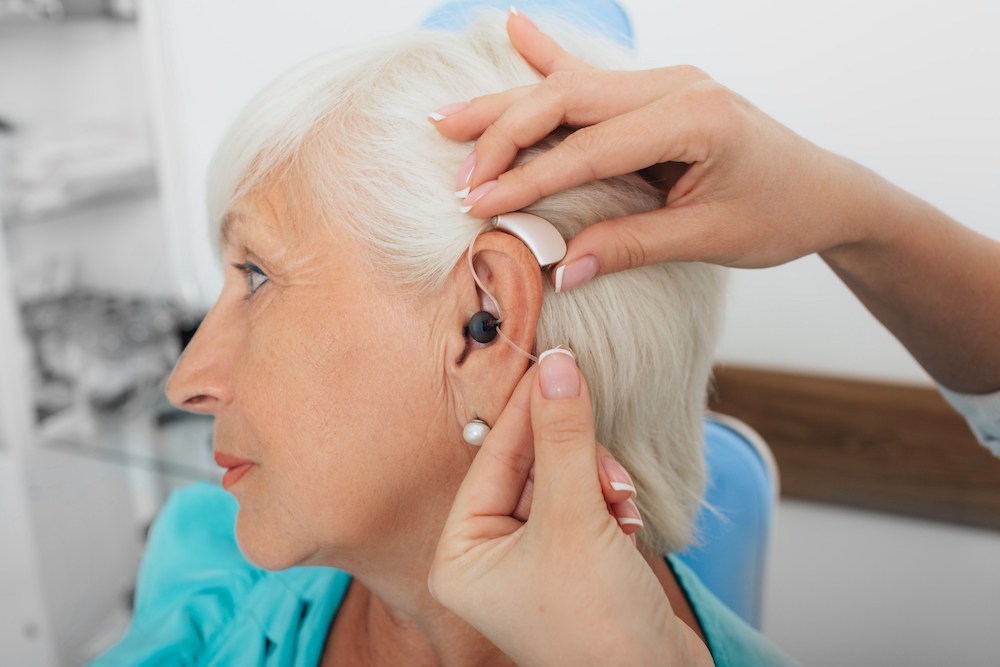
When summer finally settles into Minnesota, people in Richfield know how to make the most of the warmer days. That might mean an evening at Wood Lake, walking the boardwalk while there’s still plenty of daylight.
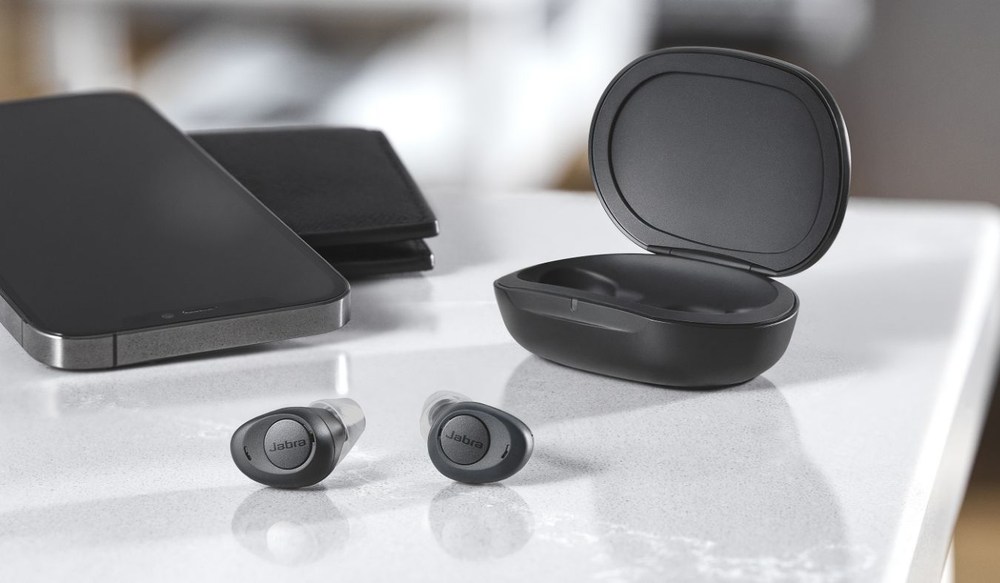
Your hearing aids are along for those warm days too. You might even notice that their batteries behave a little differently once summer weather settles in.

During a Minnesota summer, that air brings warmer temperatures and higher humidity than it does during other parts of the year. Those conditions influence the chemical reaction inside each battery, which can change how long it powers your hearing aids.

How you store and handle batteries also comes into play during warmer weather. Once you know what’s happening inside the battery, a few changes in your summer routine can keep things running smoothly.

How Hearing Aid Batteries Power Your Devices

A hearing aid battery stores energy and converts into an electrical current when the device is operating. That current travels through the hearing aid’s internal circuits and supplies the electricity needed to process sound.

The amount of power being drawn changes as the hearing aid works. Listening to speech in a quiet room requires different processing than handling a busy restaurant or streaming audio from your phone.

As the stored energy is used, the battery’s voltage eventually drops below the level the hearing aid needs to operate. That’s when you’ll hear a low-battery alert or the device will shut off.

What Happens Inside Batteries When Exposed to Heat

Inside a battery, chemical reactions move charged particles between its internal materials. Heat increases the movement of those particles, so those reactions happen at a different rate than they do at room temperature.

The electrolyte inside the battery is also exposed to the higher temperature. With enough heat, it may break down more quickly and change how efficiently ions move through the cell.

Prolonged exposure can also speed up corrosion of internal components. These changes aren’t something you can see from the outside, but they alter what’s happening inside the battery.

Reasons High Temperatures Cause Faster Battery Drain

High temperatures can shorten battery life because they change how efficiently the materials inside the cell work together. As the battery gets warmer, its internal resistance can change.

More of its energy may then be lost as heat instead of reaching the hearing aid as electrical power. This differs from the energy your hearing aid normally uses while operating.

The battery itself becomes less efficient at delivering the power it holds. Long periods of heat can also age a battery before you start using it. Chemical changes continue while batteries sit in storage, and higher temperatures speed up that aging.

A battery stored somewhere consistently warm may lose part of its expected lifespan before you even open the package.

Heat exposure can continue once the battery is inside your hearing aid, especially during long periods outdoors. This is why batteries may need replacing sooner during stretches of hot weather.

Noticing Signs That Heat Is Draining Your Batteries

Heat-related battery drain may show up differently depending on your devices and how you use them. You may first notice a change in a routine that had been predictable. Watch for signs like:

    • Replacing batteries sooner than you normally would.
    • Getting low-battery alerts earlier in the day.
    • Seeing a shorter battery estimate in your hearing aid app.
    • Needing a fresh battery after your devices have spent several hours in the heat.
    • Finding that batteries from the same package don’t last as long during hotter weeks.
    • Returning to your usual battery schedule once temperatures cool down.

Comparing Zinc-Air and Rechargeable Batteries in Hot Weather

Sweat and humidity may also leave moisture around the battery compartment after you’ve spent time outdoors. You may find yourself changing batteries sooner during these stretches of summer weather.

Rechargeable hearing aids use a built-in battery that stores energy each time you charge the devices. High temperatures can reduce how much energy that battery holds and put extra strain on it.

A hearing aid may also still be warm when you place it on the charger after a day outside. Letting the devices return to room temperature before charging follows the temperature recommendations given by many manufacturers.

Picking the Best Battery Type for Use During Summer

Zinc-air batteries are replaceable, so you can carry extras when you’ll be away from home for most of the day. That may work well for summer travel, camping or other plans where a charger isn’t nearby.

The batteries should stay in their original packaging at room temperature rather than sitting in a hot car or direct sunlight.

Lithium-ion rechargeable batteries are built into many hearing aids and are charged each night instead of being replaced. They may suit a routine where you’re usually able to return to the charger at the end of the day.

Summer heat still matters because repeated exposure to high temperatures can reduce battery capacity. The right choice depends on your hearing aids, charging access and how you typically spend your summer days.

Simple Ways to Make Batteries Last Longer in the Heat

On hot days, the way you use your hearing aids can affect how quickly the batteries run down. Streaming calls, music or television audio uses more power, so cutting back on wireless features when you don’t need them can stretch battery life.

If your hearing aids have manual controls, avoid repeated volume changes throughout the day unless they’re needed. For rechargeable models, start the day with a full charge instead of topping them off in short bursts whenever you get the chance.

Replaceable batteries should also have a few minutes to activate after you remove the tab before going into the hearing aid. Keeping an eye on low-battery alerts can tell you whether certain activities are using more power than usual during hotter weather.

Safe Ways to Store Hearing Aids During Summer Months

During summer, hearing aids may come out more often before swimming, showering or spending time near the water. Heat and moisture can still reach the devices while you aren’t wearing them.

    • When you need to put your hearing aids away, try the following:
    • Put them in their case instead of leaving them loose in a bag or pocket.
    • Bring the case indoors rather than leaving it in a parked car.
    • Choose a spot away from direct sunlight when you’re outside.
    • Keep the devices away from bathrooms where shower steam can collect.
    • Dry off any moisture before putting the hearing aids into their case.
    • Use a hearing aid dryer or dehumidifier recommended for your devices after humid days.

Knowing When to Replace Batteries as Temperatures Rise

Once that happens several times with fresh batteries, changing them a little sooner can prevent your hearing aids from shutting off unexpectedly. With rechargeable hearing aids, pay attention to how much charge remains at the end of your normal day.

If a full overnight charge repeatedly runs out well before you take the devices off, the rechargeable battery may need to be checked. A hearing specialist can test the devices to see whether the battery or another part of the hearing aid is responsible.

Getting Help from a Hearing Specialist for Battery Concerns

A hearing specialist can compare your recent battery life with what’s expected for your hearing aid model. They can run diagnostic software that records how the devices have been operating and check for unusual power consumption.

Firmware can also be reviewed, since an update or software issue may change how the hearing aids manage power. If one device drains batteries faster than the other, your hearing specialist can find that difference rather than treating both hearing aids the same.

They can also determine whether an internal component is drawing more power than it should. These checks give them specific information to work from when battery life suddenly changes.

Protecting Your Hearing Aid Batteries in Hot Weather

Summer heat may change how long your hearing aid batteries last, and you may notice the difference as the temperature climbs. Warmer weather changes what happens inside a battery, so your usual replacement schedule may shift during the summer.

After you’ve seen how your batteries behave in the heat, an earlier low-battery warning won’t seem quite so unexpected. You’ll also know when something seems unusual for your devices rather than simply different for the season.

When batteries start running down sooner than usual, Modern Acoustics in Richfield can check what’s happening with your hearing aids. We can test the devices to see how much power they’re using and whether anything needs attention.

We can also discuss rechargeable hearing aids if you’ve been considering a different battery setup. Call us at (612) 254-1893 to schedule an appointment.

Patient Testimonials

Find out what people in your community say about our services

Read More Testimonials

older man teaching older woman how to kayak

Experience expert hearing care rooted in Richfield, Minnesota

Schedule your appointment today and take the first step toward better hearing!